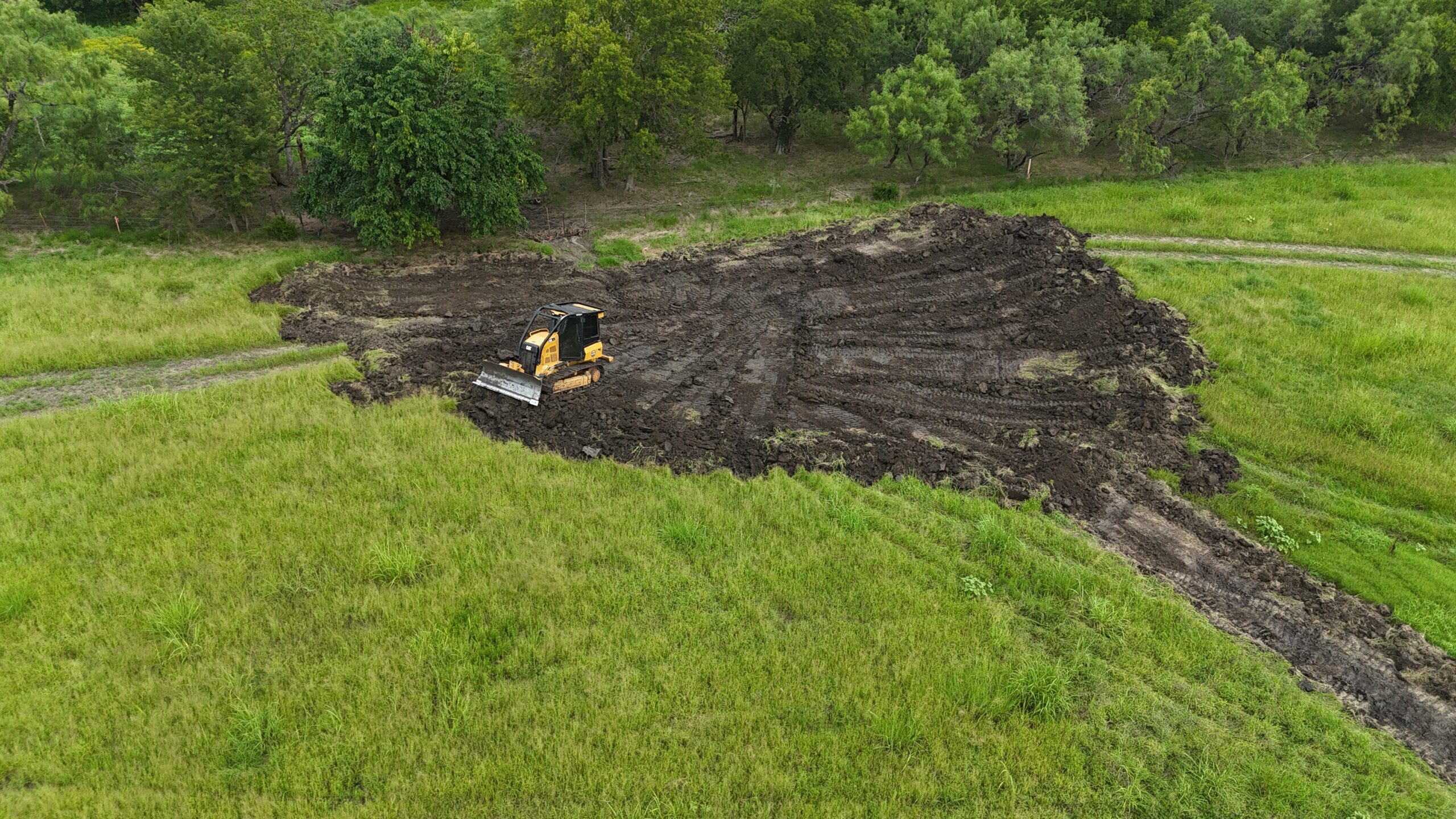
Proper pond construction plays a critical role in effective irrigation control by turning stormwater and stored runoff into a reliable, manageable water resource. When a pond is designed with the correct elevations, outlet structures, and drawdown controls, it allows water to be released at measured rates that match irrigation demand rather than dumping excess flow all at once. Intake points can be positioned to pull cleaner water from optimal depths, reducing sediment and debris entering pumps and irrigation lines. By maintaining consistent water levels and predictable replenishment, a well-built pond helps stabilize irrigation pressure, improve distribution efficiency, and reduce dependence on municipal or well water. The result is a system where water is captured, stored, and delivered intentionally—giving property owners and operators control over when and how water is used, instead of reacting to whatever the next rainstorm decides to do.